

Where to Buy African Groceries in Lisbon (Map by Area)
Fuba, ginguba, palm oil, dried fish, mucua — the best grocery stores of the diaspora in Lisbon, Almada, and Setúbal, organized by area.
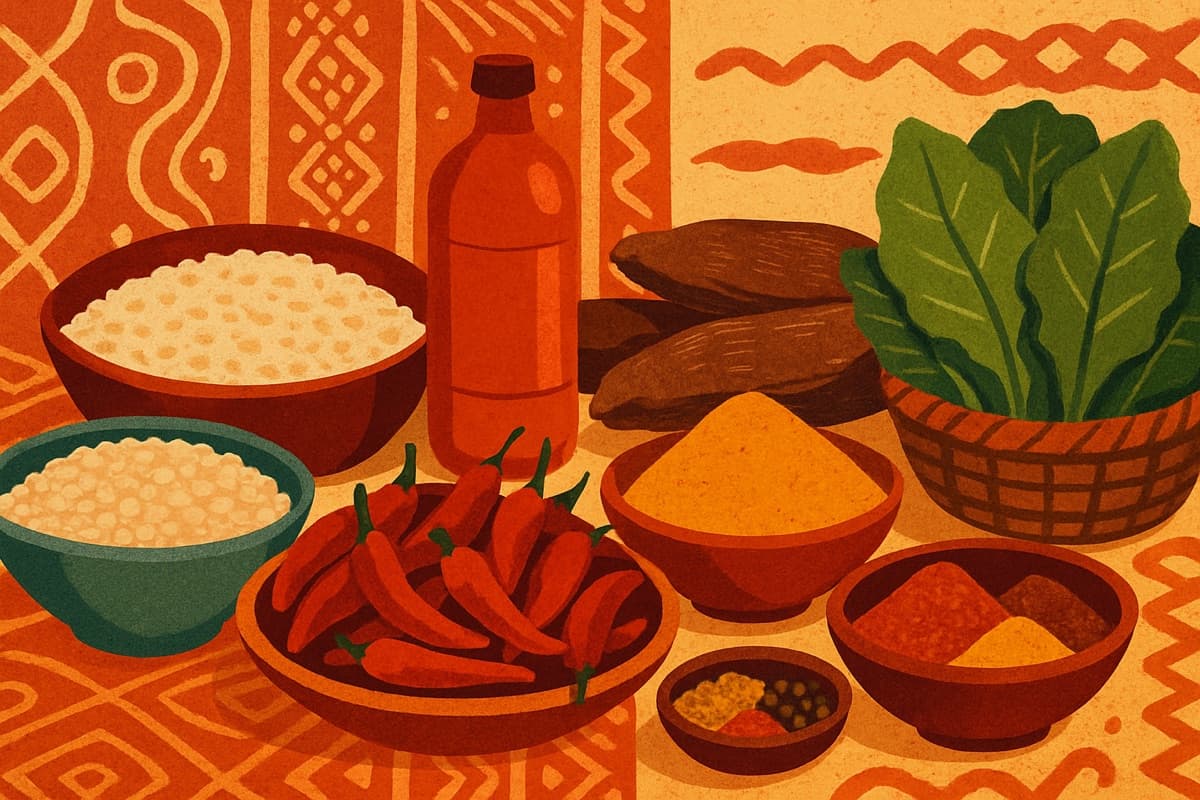
Have you ever arrived home determined to make cachupa, calulu, or a simple funje — only to discover that you’re missing fuba, palm oil, or dried okra? It happens to everyone. In Lisbon, African grocery stores are spread out but are more numerous than one might think: this guide maps the areas, types of stores, and what’s worth buying where.
How the Circuit Works
There are four types of grocery stores that serve the Lusophone community in Lisbon:
- General African Grocery Stores — sell a bit of everything: dry products (fuba, corn, ginguba, sesame), frozen goods (dried fish, goat, game meat), beverages (Sagres imported from Angola, Cuca, Sumol), cosmetics (shea butter, coconut oil), Brazilian products (manioc flour, polvilho).
- Specialists in Fish and Frozen Goods — usually the best for corvina, grouper, African smoked salmon, frozen seafood.
- Brazilian Stores — focused on Brazilian groceries (pão de queijo, brown sugar, guaraná, requeijão), but often also carry some Cape Verdean products.
- Halal and African Butchers — for specific meats (goat, free-range chicken, offal).
Central Area / Almirante Reis · Anjos
This is the largest concentration of African commerce in Lisbon. You can walk between five stores in half an hour.
- Grocery Stores on Avenida Almirante Reis — between Anjos and Intendente, there’s a corridor of at least six general grocery stores, with extended hours (some open until 10 PM).
- Largo do Intendente — the square and adjacent streets have several stores with a good stock of products from Lusophone Africa, as well as restaurants for direct lunch.
- Mouraria — one of the most multicultural areas of Lisbon. You mingle among Indian, Pakistani, African, and Brazilian grocery stores.
Northern Area / Lumiar · Quinta do Lambert · Charneca
- Quinta do Lambert — a neighborhood with a strong Cape Verdean presence. Several small grocery stores, halal butchers, and Cape Verdean bakeries with typical pastries and mortadella.
- Charneca — further north, you’ll find smaller stores but with specific Guinean products (frozen cassava leaves, dried fish from Guinea).
Southern Bank / Almada · Cova da Piedade · Cacilhas
The southern bank is where the African community is most residentially rooted. There are old grocery stores with over 20 years of history.
- Cova da Piedade — several grocery stores with Angolan and São Toméan products, including coffee from São Tomé and cocoa.
- Cacilhas / Almada Center — municipal markets with stalls dedicated to African products, both fresh and frozen.
Setúbal · Setúbal Center · Pinhal Novo
Setúbal has one of the largest Brazilian communities in Portugal. You can easily find manioc flour, tapioca, queijo coalho, and açaí pulp. There are also small Angolan grocery stores, especially in the historic center.
Sintra / Tapada das Mercês · Mem Martins
An area with a strong presence of the diaspora — general grocery stores, Brazilian bakeries (fresh pão de queijo), and some of the best Afro barbershops and hairdressers in the Lisbon district.
What to Look for on the Label
When buying corn fuba, check if it is white (cachupa, light funje) or yellow (polenta, porridge). The difference is not cosmetic — it changes the flavor and texture.
For dried fish, vacuum-packed ones last longer (and smell less), but those exposed at room temperature in grocery stores are generally tastier.
In palm oil, check the color: deep red = good quality, pale red or orange = mixed with other oils. To prepare moamba or red curry, it’s worth paying more.
Reference Prices (2026)
- Corn fuba (1 kg): 2 — 3 EUR
- Roasted ginguba (250 g): 3 — 5 EUR
- Pure palm oil (500 ml): 6 — 9 EUR
- Medium dried fish (1 kg): 15 — 25 EUR depending on the type
- Mucua (powder, 200 g): 4 — 7 EUR
- Shea butter (250 g): 8 — 12 EUR
Final Tip
If you go to the grocery store regularly, it’s worth establishing a relationship with the owner. Almost all keep "secret" stock for loyal customers — special fresh fish, fresh goat, promotional packs.
On E-migrantes, you can find grocery stores and supplies with maps, hours, and photos.
If you know of a grocery store that should be here, add it or ask us to contact them.